Showing posts with label MAO-LI-WU. Show all posts

Wednesday, May 27, 2020

The Powerful Rajahs and Sultans of Pre-Colonial Philippines

"The Spaniards also recorded other major players in the area at the time of their arrival: In the island of Mindoro, was the Kingdom of Ma-I, which had trade links with China as early as 972 CE..."

Maidikit ko lang sa ganitong usapan na may naisulat ako:

"Sa mga Chinese records, ang kinikilalang pinaka-unang naitalang pakikipag-ugnayan ng China sa Pilipinas ay noong Song dynasty (971 o 972). At ito ay ang pakikipag-ugnayan nila sa Ma-i (Mindoro), na kung saan pagdating ng 982 ay dala ng mga mangangalakal mula sa Ma-i ang kanilang mga produkto papuntang Guangzhou (Canton).

"Pagdating ng 1206 nakipagkalakalan na ang China sa Mindoro, Palawan at Basilan at lumawak na ito kasama ang Babuyanes, Lingayen, Luzon, Manila at Lubang Island.

"Kapagdaka, ang mga emperador ng Ming at Ching dynasties ay nag-imbita na makipagkalakalan na rin sa kanila ang iba pang mga isla.

"MAO-LI-WU ang MARINDUQUE. Doon na umentrada ang munting isla ng MARINDUQUE. Kilala ang Marinduque sa Tsina sa tawag nilang MAO-LI-WU" (Eli Obligacion/Marinduque Rising)

The Philippine archipelago was a collection of diverse political entities before the arrival of the Spanish.

By JUSTIN UMALI /ESQUIRE  |
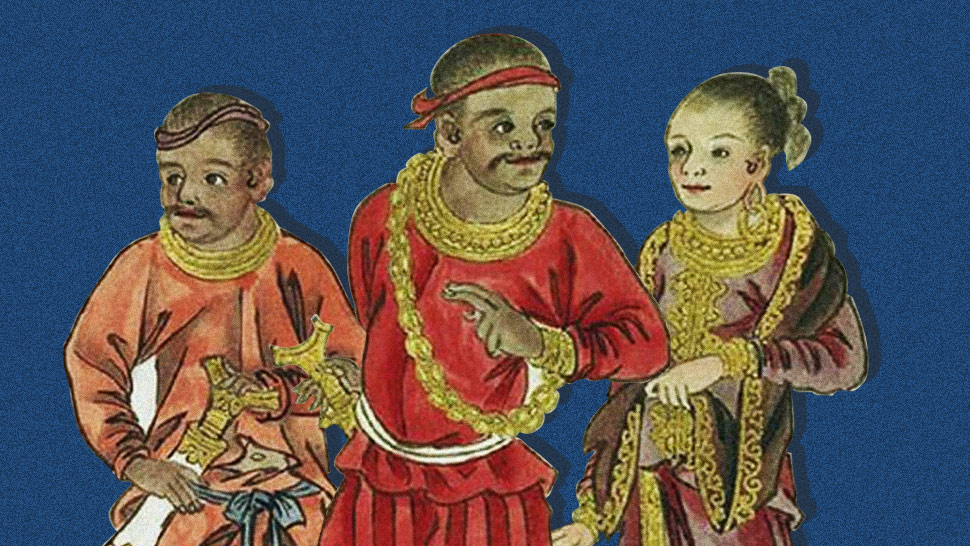
 

IMAGE BY WIKIMEDIA COMMONS

There is a common misconception that the Spanish “discovered” the Philippines. That, prior to Spanish conquest, the Philippines had nothing but savage indios who needed the civilization of the West to enlighten it. 

Of course, we now know just how far that notion is from the truth. We now understand that Filipino culture and society existed way before colonization, and slivers of it sometimes appear in popular culture: A TV show is set during the era or a discussion on pre-colonial heritage pops up now and then.
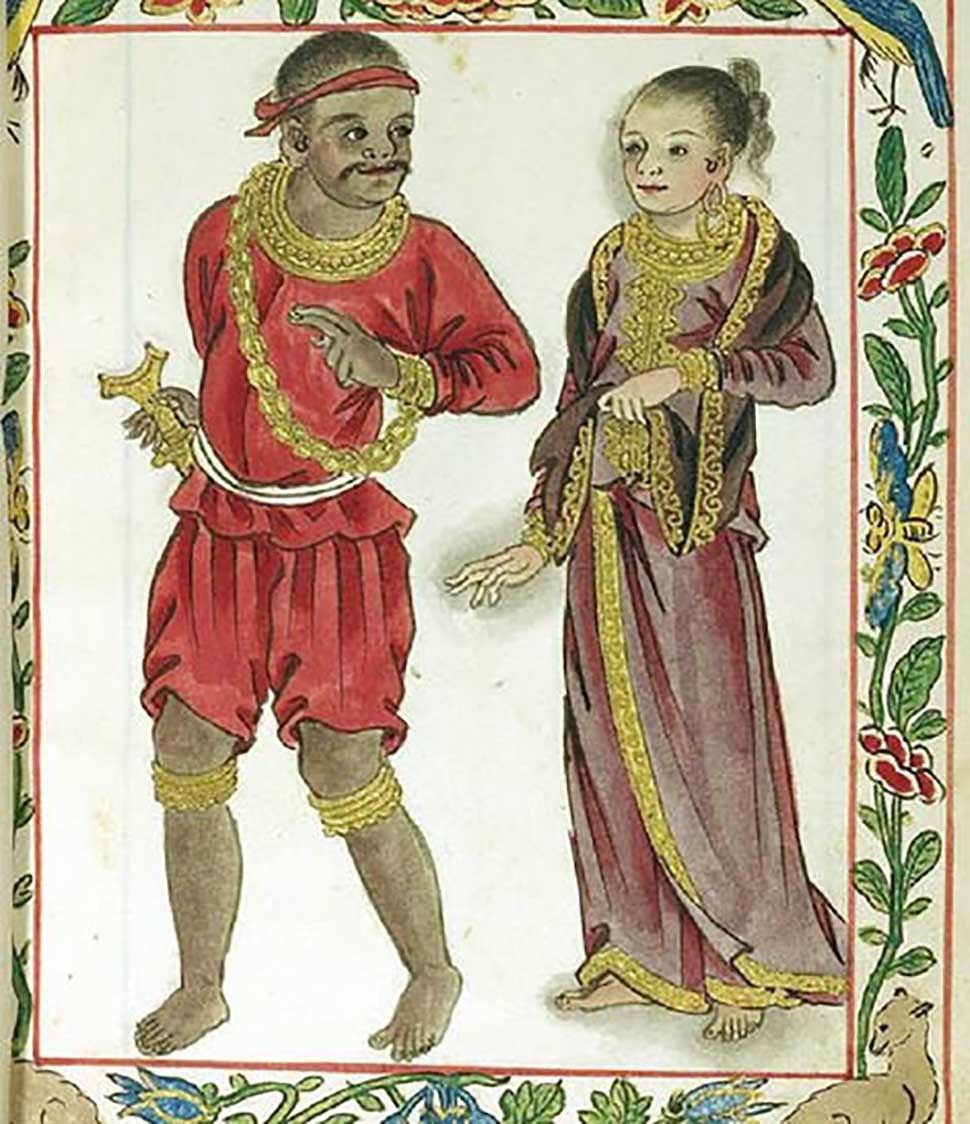
 The fact is, the Philippine archipelago was a collection of diverse political entities before the arrival of the Spanish. One could probably draw comparisons to Ancient Greece with its various city-states, though the truth is a bit more complicated than that. A single article would hardly do justice to describing the full extent of pre-colonial politics, but let’s try to at least get an overview: 


 IMAGE BY WIKIMEDIA COMMONS. 

The Seafaring Datus of the Visayas

A lot of what we know of pre-colonial culture and politics comes from the Visayas, mainly thanks to early Spanish sources like Fr. Chirino and Miguel de Loarca. Because the Spanish first landed in the Visayas before settling in Manila, a lot of effort was made to understand the rules of the strange land and its people. 

The most prominent of these was by far the Rajahnate of Cebu. Ruling from the central seat of power in Cebu, the Rajahnate was an important trading hub between the Sultanates of Mindanao and the Kingdom of Borneo to the south, the Rajahnates of Luzon to the north, and the Chinese Empire to the west.

The Kingdom of Cebu also had ties with the outside world. Founded by a minor prince of Sumatra, Sri Lumay, Cebu grew to become a major player in the archipelago’s local politics, By the time of Magellan in 1521, Rajah Humabon was the undisputed ruler of Cebu. Some 40 years later, Humabon’s cousin Rajah Tupas met the conquistador Miguel Lopez de Legazpi, and was the last Rajah of Cebu.

Although Cebu was a central polity in the Visayas, it was by no means the only one. Humabon famously had a rival in Lapu-Lapu, who ruled in the island of Mactan. Some sources assert that Lapu-Lapu was even stronger than his rival, on account of controlling a key position in the Visayan trade route. 

This would be a common theme, with each island in the Visayas ruled by its own Datu. Chronicles from the time of Spanish arrival talked of dealings with people like Datu Urrao of Samar, Datu Bankaw of Limasawa, and Sikatuna in Bohol. Legazpi famously had a blood compact with Sikatuna to signify their alliance. This was the Spanish way: Ally with local Datus when they could and crush them when they could not.

The Spaniards also recorded other major players in the area at the time of their arrival: In the island of Mindoro, was the Kingdom of Ma-I, which had trade links with China as early as 972 CE, while the island of Panay was home to the Confederation of Madja-as, unique in its description as an alliance of local barangays in the area. The (now-famous) Datu Puti was the first known ruler of Madja-as.

The Rich Sultans of Mindanao

South of the Visayan islands lies the region of Mindanao, home to the Lumads, the Moros, and the seat of four major powers: the Rajahnate of Butuan, the Sultanate of Lanao, the Sultanate of Maguindanao, and the Sultanate of Sulu. 

Butuan was one of the first polities that the Spaniards came into contact with. Chroniclers described the place as so abundant with gold that the houses were decorated with gold. One chronicler even claimed that Rajah Siagu’s alipin had gold jewelry, something unheard of in Europe. Butuan was regarded to be one of the richest states not just in the Philippine archipelago, but in Southeast Asia. 

On the other side of Mindanao were the Muslim sultanates. Islam was first established in the Philippines in 1380 when Muslim traders set foot in the shores of Sulu and Jolo. The Sultanate of Sulu was founded on November 17, 1405, by Sharif ul-Kisham and quickly rose to become a maritime power, with close ties to the greater Muslim community in Mindanao and the Kingdom of Borneo. Sulu was rightfully feared by the Spanish for her pirate fleets that controlled the Celebes Sea.

The spread of Islam continued with the rise of the Sultanate of Maguindanao under Shariff Mohammed Kabungsuwan. Maguindanao was a proud state that was able to resist Spanish colonization, most famously under Sulat Kudarat from 1619 to his death in 1671.

Up north, near Lake Lanao, was a confederation of Maranao states. The history of the “men of the Lake” was deeply intertwined with Maguindanao: Sharrif Kabungsuwan was the one who influenced them to turn to Islam. The Maranao states eventually formed a sultanate with Balindong Bsar of House Masiu as its first Sultan.

Lanao and Maguindanao crossed paths again thanks to the Spanish. Spanish incursions into Mindanao threatened the Maranao way of life. It was Sultan Kudarat who rallied the men of the Lake into defending against the foreign incursion. The Spanish retreated within months.
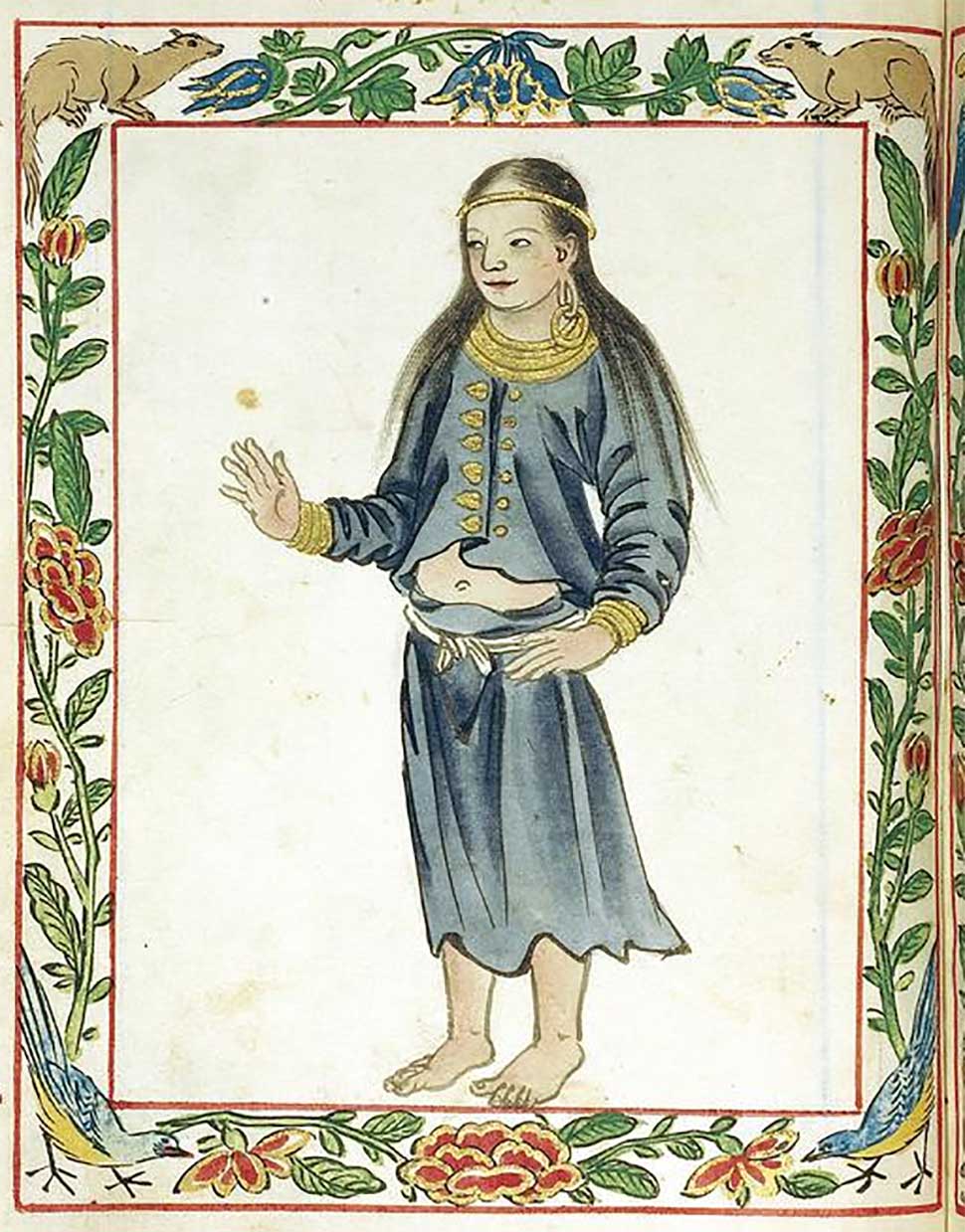
 

 IMAGE BY WIKIMEDIA COMMONS.

The Old Rajahs of Luzon

Apart from the Datus of the Visayas, the kingdoms of Luzon had the most contact with the Spanish, though much less is written about them. Political power in Luzon was concentrated near the banks of the Pasig River, where trade from China made its way across the archipelago. 

The major players near the Pasig River were the Kingdom of Tondo and the Rajahnate of Maynila. The two states shared a complex relationship, ranging from friendly to at war.

 An old state that existed as early as 900 CE, Tondo engaged in trade and exerted its influence to as far as modern-day Laguna, Bulacan, and Pampanga through trade and war. The relationship between Tondo and the other polities was less that of a feudal lord and its vassals, and more of an alliance between a senior and lesser partner. 

Tondo was ruled by a Lakan who, by the time of Spanish arrival, shared power with the Muslim Rajahnate of Maynila. One of the last Lakans of Tondo was the famous Lakandula, who lost to the Spanish in the fateful Battle of Bangkusay.

Maynila ultimately shared a similar fate against the Spanish, though its Rajahs hoped that their blood relations with the Sultanate of Brunei would save them. In one incident, the “Young Prince” Ache fought with his cousin, the Lakan of Tondo, who was encroaching on territory belonging to Maynila. Ache, exhorted by his mother to keep the peace, went to ask his grandfather, the Sultan of Brunei for assistance. The Sultan gave Ache command of a naval force. 

Ache was on his way back to Maynila to exact revenge on his cousin when he came upon the remnants of the Magellan expedition, which he attacked in hopes of expanding his fleet. Ache was captured but was released after paying a high ransom, whereupon he returned to his Kingdom. Not much is known after that incident. 

Ache had another brush with the Spanish in the 1570s. Now known as Rajah Matanda, Ache and his counterpart in Tondo, Lakandula, tried to defend their kingdoms against Spanish invasion. Maynila was burned to the ground and the Spanish built Intramuros in its place.

Outside of the Tagalog regions states and polities were just as abundant. The state of Ibalon ruled in the Bicol peninsula and is known as the first Spanish settlement in Luzon. The Epic of Ibalon is still widely known in the Bicol region as a celebration of oral history and a creative blend of fact and fiction. 

Going north, Rajahs had a complex relationship with native highland tribes. The Igorot of Benguet frequently exchanged gold with Chinese wares from Pangasinan while fighting Ilocanos in Samtoy. Pangasinan, particularly, is home to the legendary warrior-princess Urduja, who was said to have ruled in the 13th century. 

There are more states now lost to history before Spanish arrival and thousands more stories from the people who lived and ruled during this period. But what’s important to remember is that we must always look at our past critically if we are to have an appreciation of our Filipino culture and heritage today.

Sources: 

Scott, W. Barangay: Sixteenth-Century Philippine Culture and Society. Ateneo de Manila University Press. 

Blair & Roberston. The Philippine Islands 1493-1898. University of the Philippines. 

Agoncillo, T. History of the Filipino People, 8th ed. Garotech Publishing. 

Newson, L. Conquest & Pestilence in the Early Spanish Philippines. Ateneo de Manila University Press.


Also read:

"If you want to get rich, you must go to Mao-Li-Wu (Marinduque)" - Old Chinese saying


Friday, December 7, 2018

Marinduque Celadon Jar, ang dineklarang National Cultural Treasure

Marinduque Celadon Jar (Yuan)
Deklaradong National Cultural Treasure ang 
Marinduque Celadon Jar


Kung tutuusin, nagsisimula pa lamang tayong maunawaan ang di naisulat na mayamang kasaysayan ng Marinduque noong di pa ito nasasakop ng mga Kastila. Ang Marinduque na mula’t-mula pa ay may sariling pinagkakakilanlan bilang mga Tagalog.

May sariling tawag ang mga Tagalog sa mga taong iba ang wika: Samot o Samok. Tawag naman nila sa Intsik noon ay ‘Sanglay’.

Ngayon pa lamang natin mapapahalagahan ang naging papel ng islang-lalawigang Marinduque noong wala pang kasaysayan na naisulat, maliban sa naabutan nilang mga sumakop sa ating bansa.

Kayat nahuhukay na mga artipakto mula sa mga kuweba, parang, bundok, gubat, mga dalampasigan at karagatan ang mga bagay na may mahalagang naiiambag para higit nating maunawaan ang tungkol sa ating pinagmulan.

Sa panahon ngayon na may mabilis na pamamaraan na magagawa ng ating mga daliri para manaliksik at malaman pa ang mga ganitong bagay, mas mabubuksan ang ating mga isip – para tayo maging malaya sa pag-iisip. Hindi nakatali o nakakadena pa rin.


Ngayong unti-unting nagiging maliwanag na ang ating mahal na isla, na nasa gitna ng Pilipinas at nasa kalagitnaan pa rin ng sinaunang kasaysayan, marapat lamang na dapat pang payabungin ang unawa tungkol sa ating lahi.

Sa pagpapatuloy nga sa mga pag-aaral, maging ang mga naisulat ko na noong nakalipas tungkol sa maaaring kaugnayan ng Marinduque sa mga lost civilizations sa South America ay binibigyang pansin na rin (hanapin sa Internet ang Prehistory of Marinduque). Subalit medyo nalilihis tayo.

SA MAO-LI-WU, MARINDUQUE

Sa larangan ng arkeolohiya ay naitala na sa Marinduque naganap ang unang sistematikong paghuhukay sa ilang kuweba na nagresulta sa pagbawi mula sa lupa ng ibat-ibang mga artefacts. Mga artipakto na mahalaga di lamang sa atin kundi sa lahat ng mga Filipino.

Sa mga kuweba sa Marinduque ay hindi na bago na makakita ka ng mga kalansay ng mga sinaunang tao dahil ito ang naging libingan nila.

Kamangha-manghang sa Marinduque pa rin nagawa ang kauna-unahang underwater archaeology na nagresulta pa sa pagbawi ng mga porselanang pinggan, mga bangang may mga disenyo at libo-libong mga sinaunang bagay na kasing-tanda ng Ming Dynasty. Ngayo’y nasa mga museo at mga pribadong koleksyon ang mga ito. (Ang mga basag ay nasa Marinduque Museum na matagal ng inaayos kayat di ka makakapasok para bumisita).


Subalit, may isa pang nahukay na katangi-tangi sa ating kalupaan na dahil nga katangi-tangi ay naideklara ng pamahalaan na isang National Cultural Treasure.

Ano ito? Ito po ang tinatawag na THE MARINDUQUE CELADON JAR.

Mula raw ito sa Yuan Dynasty (1280-1368). Sa maikling paglalarawan ng National Museum ay ganito lamang ang nakasaad:

Ang Yuan Celadon Jar ay may isang katawan na may embossed na disenyong Chinese dragon na isa sa tatlo lamang na may ganitong uri sa mundo. (The Yuan Celadon Jar has a body embossed with Chinese dragon design which is one of the only three known of its kind in the world).

May kahirapang makakuha ng iba pang datos tungkol dito (maging noong minsang nabisita ako sa National Museum ay wala akong nakuhang karagdagang impormasyon).

Base lamang sa aking hindi pa gaano kalalim na pananaliksik tungkol sa misteryosong banga na ito ay ganito sa ngayon ang lumabas:

Noong 1961, may isinagawang systematic excavation si Alfredo Evangelista na dating taga-National Museum sa tinaguriang Pilapil Cave sa Marinduque. Ang mga nahukay dito ay may malawak na kaugnayan sa Sung at Yuan sherds at mayroon ding mga local artifacts. Tila dito lamang natala ang ugnayan ng Marinduque sa Yuan dynasty.

Matatandaan na ang mga naitalang pakikipagkalakalan ng mga taong Tsina sa Mao-li-wu ay naganap mula noong 1405 at ito ay panahon ng Ming dynasty.

Ang Yuan dynasty (1280-1368) naman ay nauna kaysa sa Ming (1368-1644). Kayat wala pang lumalabas na tala kung mayroon man kung papaanong nakarating sa Marinduque ang Marinduque Celadon Jar.
Kahilera sa listahan ng mga National Cultural Treasures na kasama ang Marinduque Celadon Jar ang Manunggul Jar ng Palawan (nasa larawan).


Palawenos display their pride for the Manunggul Jar in the Mimaropa Festival.

Thursday, December 6, 2018

Google Earth confirms: Marinduque was Mao-li-wu (also called Ho-mao-li by the Ming dynasty Chinese)

Latitude and Longitude 13 ̊34’N, 121 ̊ 50’E. Photo by Google Earth.


Marinduque was Mao-li-wu and that’s fairly conclusive.

Research studies on the identity of Mao-li-wu (also called Ho-mao-li), were generally ambiguous and uncertain whether that name referred to Marinduque or Mindoro. This, even with Ma-i as the name the Chinese called Mindoro had been generally accepted for centuries and never mind the skeptics for now.

In Chinese records, the first appearance of the Philippines was in 971 (or 972), during the Song dynasty when Ma-i (Mindoro) was mentioned as part of the ‘jurisdiction’ of the “superintendent of maritime trade” in Guangzhou, Hangzhou and Mingzhou. In 982 traders from Ma-i brought goods for sale in Guangzhou (Canton).

Like what goods? Like aromatics, coral, pearls, sea-turtle leather, tortoise shell, sapan wood, and others.

A footnote in Scott says “Ma-i or Ma-it, seems clearly to be Mindoro: it was so known to early Spanish missionaries (chapter 36 of Juan Francisco de San Antonio’s 1738 Chronicas is entitled, “De la Provincia y Isla de Mait o Mindoro); the word is still used by Panay fishermen and Mangyans around Bulalakaw”.

Nevertheless, the following statement appeared in Scott that apparently was made by historians thereafter as their basis for repeating the same indecision on pinpointing Mao-li-wu without equivocation:

“On 17 October 1405, Luzon and Mao-li-wu presented tribute together with envoys from Java.  (Mao-li-wu, also called Ho-mao-li, was on either Mindoro or Marinduque, and its representative was a Muslim called Taonu Makaw.)”

But also in Scott, was cited specific books that contain "true facts" that “are available in careful studies" like JJL Duyvendak’s “The true dates of the Chinese maritime expeditions in the early fifteenth century,” T’’oung Pao, Vol. 34 (1939), and J. V. G. Mills’ Ma Huan/ Ying-yai Sheng-lan: “The overall survey of the Ocean's shores ” 1433 (Cambridge 1970).


That leads us to the last-mentioned book by Ma Huan edited by J.V.G. Mills where we find on the page titled "China in South Asia, 1433", the following that specifies the latitude and longitude of what's described as:

Sha t’ang ch’ien San Andres islands, 13 ̊34’N, 121 ̊ 50’E, off the north-western extremity of Mao-li-wu, Marinduque island, in the Philippine islands (Chang Hsieh, p 123)."

Screencap of the relevant page titled, China in south Asia 1433
So this blogger had to make use of Google Earth tools to scientifically validate the specified latitude and longitude coordinates based on centuries old data that predates Spanish colonization of the Philippines.  

And voila!  “The overall survey of the Ocean's shores" 1433 by Ma Huan was quite accurate! (See Google Earth screenshot). It readily points indeed to the uninhabited San Andres island off the north-western extremity of Marinduque in the Philippine islands!

Northern side of San Andres Island with rock shelters.
Photo: Eli J Obligacion

How was that arrived at by the ancient Chinese traders in the first place? The following editorial notes by JVG Mills clearly explain it all under 'Astronomy' and 'Compass'.


Here's a Google Earth photo again of Sha t’ang ch’ien, San Andres island in wider coverage that includes part of Lu-sung and Ma-i:


The uninhabited San Andres island and the white beaches of the populated Brgy. Silangan northwest of Marinduque. By Google.

Case closed.

Wednesday, December 5, 2018

Mahiwagang bundok sa Marinduque na naisulat na bago pa man ang pananakop ng mga Kastila

Ang mahiwagang tuktok na bahagi ng Mt. Malindig (Lo-Huang), na tinaguriang Makulilis Peak & Rockies. Precolonial era pa lamang ay naisulat na ito. Ming dynasty period.
Sa Mao-li-wu (Marinduque) ay may naisulat nung unang panahon tungkol sa pangangalakal ng mga taong Tsina sa ating panig ng mundo. Panahon ito ng Yong-le Emperor ng Ming dynasty.

May tinagurian silang isang “bantog na tanawin”. Ito raw ang Bundok Lo-Huang at sa tuktok daw nito ay may puting bato.

Sa Marinduque, ating magandang islang-lalawigan, ay iisa lamang ang maaaring pinupuntirya ng banyagang manunulat at ito ay ang Bundok Malindig. Lalo na at mayroon naman sa isang tuktok nito na ‘puting bato’ na nakabibighani kapag makita mo ng malapitan at maglakbay ka sa bahagi nito na sakop ng Torrijos.

Kung mahiligin ka namang maghalukay sa mga lumang paniniwala ng mga katutubong Marinduqueno, mga iningatang paniniwalang namana nilang nakatira malapit sa bundok ay maaaring maibahagi sa iyo ito. Ang kuwentong lihim tungkol sa isang lagusan doon papunta sa daigdig ng kababalaghan.


Ang kanilang paniniwala ay doon sa puting bato, Makulilis Peak (ang bansag dito sa ating panahon), nagsisimula ang isang mahiwagang lagusan. Sa kaisipan ng mga may ganoong paniniwala at kayang ipagtanggol ito, ay doon mismo sila nagtutungo para makasalamuha ang mga taong nakatira sa kabilang daigdig na iyon. Daigdig ng mga ginintuang palasyo, ginintuang caruaje, mga dwende, engkanto, engkantada, kasiyahan at kakaibang kapangyarihan.

Subukin mo kaya namang akyatin at makihalubilo sa kanila?


Mga larawan ng Makulilis Peak & Rockies sa bahagi ng Dampulan. Courtesy of Morion Mountaineers Sta. Cruz Marinduque.